What Is an AI Leasing Agent? How Automation Is Changing Rental Applications
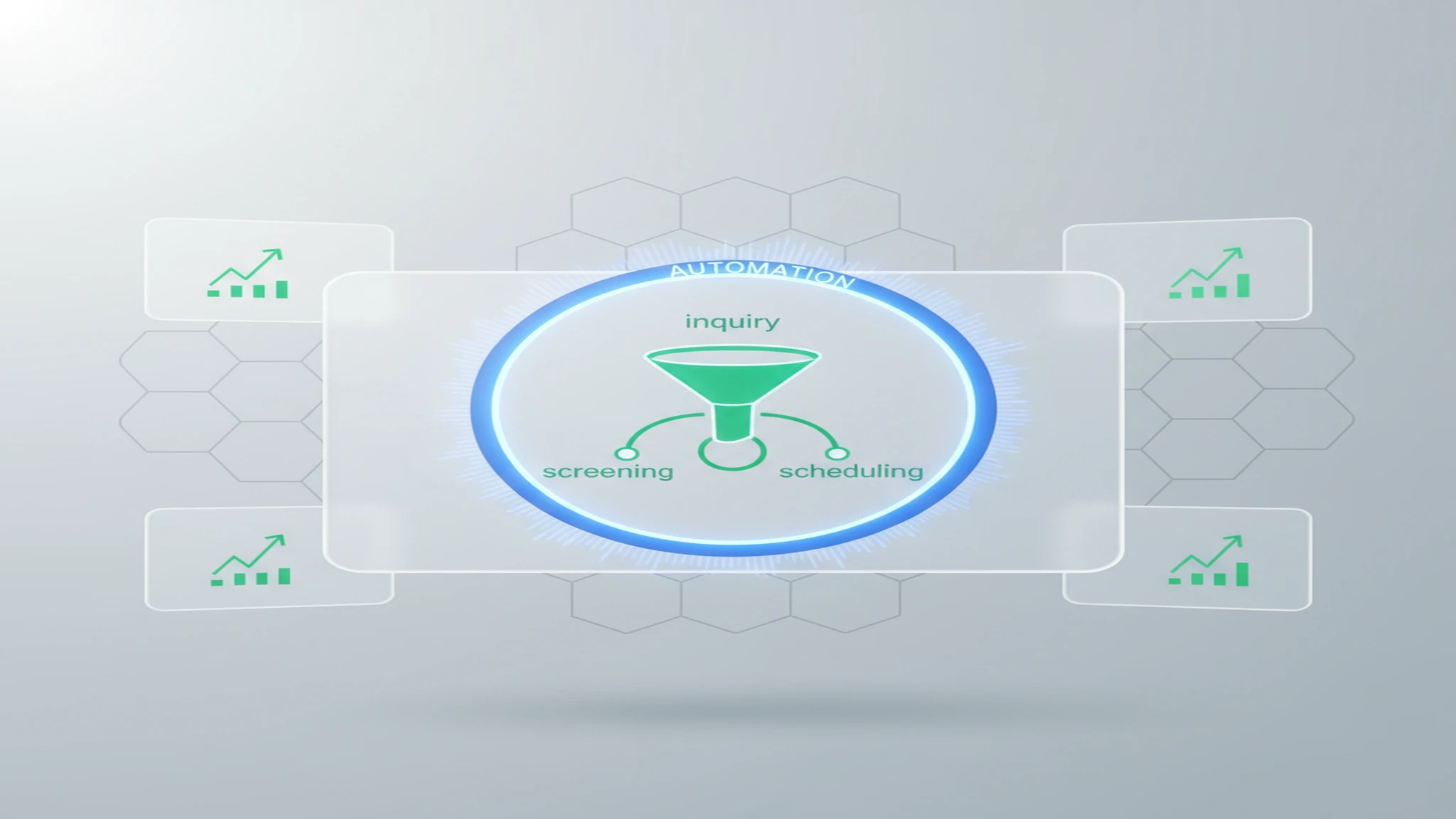
An AI leasing agent handles tenant inquiries, screening, and scheduling 24/7. Learn how automation is transforming rental applications for BC landlords.
About the author
Amir Sojoudi · Co-founder, Propilot
Amir Sojoudi is the co-founder of Propilot. He builds AI-powered tools to help Canadian landlords automate leasing, screening, and compliance.
What Is an AI Leasing Agent? How Automation Is Changing Rental Applications
Estimated reading time: 9 minutes
Key Takeaways
- An AI leasing agent responds to tenant inquiries instantly, 24/7, capturing leads that would otherwise disappear overnight.
- These systems automate the full leasing funnel: first contact, preliminary screening, viewing coordination, and application collection.
- AI screening applies your criteria uniformly to every applicant, reducing inconsistency and discrimination risk under BC’s Human Rights Code.
- Landlords with 3-20 units save 10-15 hours per week on tenant communication after implementation.
Table of Contents
- The Rental Market’s 24/7 Problem
- What Exactly Is an AI Leasing Agent?
- Core Functions
- How AI Leasing Agents Handle Different Scenarios
- The Technology Behind AI Leasing Agents
- Benefits for Landlords
- Benefits for Tenants
- Implementation Considerations
- Choosing the Right AI Leasing Agent
- Measuring Success
- How Propilot Helps
- Related Reading
- Frequently Asked Questions
It’s 11 PM on a Sunday when a potential tenant discovers your rental listing. They’re excited, ready to apply, and have questions about lease terms. Your phone is on silent, and by Monday morning they’ve already scheduled three other viewings.
This happens thousands of times daily across rental markets. Prospective tenants expect instant responses, yet most landlords can’t be available around the clock. Traditional leasing agents work business hours, but rental inquiries arrive at all hours. The AI leasing agent is changing this dynamic entirely — these intelligent systems handle tenant interactions, screen applicants, and manage the complete leasing process without human intervention, operating 24/7 to capture leads that would otherwise disappear.
The Rental Market’s 24/7 Problem
Vancouver’s rental market is one of the most competitive in Canada. Average rents sit well above $2,500/month for a one-bedroom, and prospective tenants move fast. Research consistently shows that prospects who don’t receive a response within one hour are significantly less likely to remain interested. For independent landlords juggling day jobs, maintenance calls, and existing tenant relationships, that one-hour window is nearly impossible to hit consistently.
The result is a quiet revenue leak. Every inquiry that goes unanswered for a few hours is a lead that may convert for your competitor instead. In a market where a single vacant day costs Vancouver landlords $100 or more, slow responses compound quickly into real losses.
AI leasing agents close that gap by sitting on the front line of your leasing funnel, always on, never distracted.
What Exactly Is an AI Leasing Agent?
An AI leasing agent is software that uses artificial intelligence to automate rental applications. Think of it as a virtual assistant that never sleeps, never takes breaks, and handles multiple conversations simultaneously while maintaining consistent, professional communication. For a deeper look at how the role is evolving in 2026, see What Is an AI Leasing Agent? 2026 Edition.
These systems plug into your existing rental listings across platforms like Zillow, Craigslist, and Facebook Marketplace. When prospects reach out, the AI agent responds instantly, answers common questions, schedules viewings, collects application information, and runs preliminary screenings based on your criteria.
The technology combines natural language processing, machine learning, and automated workflows to create experiences that feel personal while being entirely automated. Advanced AI leasing agents understand context, maintain conversation history, and adapt responses based on specific property and tenant requirements.
Core Functions
Instant Response Management
The biggest immediate benefit is response speed. While human agents might take hours or days to respond to inquiries, AI systems reply within seconds. They handle basic questions about rent, lease terms, pet policies, amenities, and availability without any human involvement.
These systems remember conversation context, so when prospects ask follow-up questions or return later, the AI agent picks up where they left off. This creates a natural, engaging experience that keeps prospects interested throughout the leasing funnel.
Automated Tenant Screening
AI leasing agents excel at preliminary tenant screening. You set your criteria — minimum income requirements, credit score thresholds, rental history standards, employment verification needs — and the system automatically evaluates each applicant against those standards.
The screening happens in real-time during conversations. As prospects provide information, the AI determines whether they meet your requirements and either moves them forward or politely explains why they don’t qualify. This filters out unqualified applicants before they reach your calendar, protecting your time without requiring you to make difficult calls yourself.
Under BC’s Human Rights Code, screening criteria must be applied consistently to every applicant. AI systems are particularly well-suited to this requirement: they apply the same standards uniformly, every time, without the mood-dependent variability that affects human screeners. The result is both fairer and legally cleaner.
Scheduling and Coordination
Coordinating property viewings traditionally requires multiple phone calls, text exchanges, and calendar juggling. AI leasing agents automate this entire process by accessing your calendar, proposing available times, confirming appointments, and sending reminders automatically.
Some systems handle rescheduling requests, cancellations, and no-show follow-ups. They can coordinate self-showing options using smart locks or lockboxes, allowing qualified prospects to view properties independently while maintaining security — a feature increasingly common in BC’s multi-family market.
Application Processing
Once a prospect decides to apply, AI leasing agents guide them through the entire process. They collect necessary documents, verify information completeness, process application fees, and organize everything for your review.
Advanced systems integrate with background check services, credit reporting agencies, and employment verification platforms. Some can generate lease documents and coordinate signing appointments once you approve an applicant, compressing what used to be a multi-week process into days.
How AI Leasing Agents Handle Different Scenarios
First-Time Renters
When dealing with first-time renters who might not understand the process, AI leasing agents provide educational guidance. They explain what documents are needed, walk prospects through credit requirements, and answer questions about security deposits or lease terms under the BC Residential Tenancy Act.
The AI adapts its communication style based on the prospect’s experience level, providing detailed explanations for newcomers while moving efficiently with experienced renters — something a human agent would do intuitively, now replicated at scale.
Complex Situations
AI leasing agents recognize when situations require human intervention. If a prospect has unique circumstances — recent bankruptcy, non-traditional income sources, or special accommodation needs — the system flags these cases for personal review while maintaining engagement.
This ensures complex situations get appropriate attention without slowing down straightforward applications that can be processed automatically. The landlord stays in control of judgment calls while delegating routine work.
Multiple Property Management
For landlords managing multiple properties, AI leasing agents handle inquiries across entire portfolios simultaneously. They understand specific details, pricing, and requirements for each property, and can cross-reference availability if a prospect doesn’t qualify for their initial choice. This portfolio-level coordination would require significant staff time to replicate manually.
The Technology Behind AI Leasing Agents
Natural Language Processing
Modern AI leasing agents use sophisticated natural language processing to understand tenant inquiries in conversational language. They interpret questions phrased multiple ways and respond appropriately, whether someone asks “What’s the rent?” or “How much does it cost per month?” or “Is it negotiable?”
This technology improves as the system processes more conversations, learning to handle regional dialects, slang, and industry-specific terminology more effectively over time.
Integration Capabilities
Effective AI leasing agents integrate with multiple platforms and tools. They connect to listing websites, calendar systems, payment processors, background check services, and property management software to create seamless workflows. These integrations eliminate manual data entry and reduce errors that occur when information moves between different systems by hand.
Machine Learning Adaptation
AI leasing agents learn from each interaction, gradually improving their responses and decision-making. They identify which questions come up most frequently, which responses lead to successful applications, and which screening criteria predict good tenants. This continuous learning means the system becomes more effective over time, requiring less oversight as it develops better judgment.
Benefits for Landlords
Increased Lead Capture
The most significant advantage is capturing leads that would otherwise be lost. Prospects who don’t receive responses within an hour are significantly less likely to remain interested. AI leasing agents eliminate this problem entirely by responding instantly to every inquiry.
This improved response time translates directly into higher occupancy rates and reduced vacancy periods. In Vancouver where every vacant day costs $100+, faster lead conversion has a measurable dollar value.
Time Savings
AI leasing agents handle the most time-consuming aspects of tenant acquisition — initial inquiries, basic questions, and preliminary screening. Many landlords report saving 10-15 hours per week on tenant communication after implementation. That time can be reinvested in property maintenance, portfolio growth, or simply reclaimed from the business.
Consistent Screening Standards
Human screening can be inconsistent, influenced by mood, time pressure, or personal biases. AI leasing agents apply screening criteria uniformly to every applicant, ensuring fair treatment and reducing the risk of discrimination claims under BC’s Human Rights Code. Consistency isn’t just ethically sound — it’s a legal safeguard.
Scalability
As rental portfolios grow, managing tenant communications becomes increasingly complex. AI leasing agents scale effortlessly, handling hundreds of simultaneous conversations without additional overhead or staffing costs. This makes them particularly valuable for landlords planning to expand from a small portfolio to a larger one — the operational model stays the same while capacity grows.
Benefits for Tenants
Immediate Responses
From a tenant perspective, AI leasing agents provide the instant gratification that modern renters expect. Prospects get answers to their questions immediately, regardless of time or day, improving their overall rental search experience.
Streamlined Process
AI leasing agents guide tenants through each step of the application process, reducing confusion and ensuring all necessary information is collected correctly the first time. This eliminates the back-and-forth communication that often frustrates both parties in traditional rental applications.
Transparent Communication
AI systems provide consistent, clear communication about requirements, timelines, and next steps. Tenants always know where they stand in the process and what they need to do to move forward — a significant improvement over the ambiguity common in manual leasing workflows.
Implementation Considerations
Setting Up Screening Criteria
The effectiveness of an AI leasing agent depends heavily on how well you define your screening criteria. Consider factors like minimum income ratios, credit score requirements, rental history expectations, and any property-specific restrictions. The more precise your criteria, the better the AI can pre-qualify prospects according to your standards — and the more defensible your decisions are under BC human rights law.
Integration with Existing Systems
Most landlords already use various tools for property management, accounting, and tenant communication. Choose an AI leasing agent that integrates smoothly with your existing workflow rather than requiring you to abandon systems that already work well. Disruption during transition is the most common reason implementations stall.
Training and Customization
While AI leasing agents come with standard capabilities, customization improves their effectiveness for your specific situation. This might include training the system on your property’s unique features, local market conditions, or specific tenant requirements common in your area of BC.
Choosing the Right AI Leasing Agent
Feature scope: Some platforms focus primarily on initial communication and lead capture; others provide comprehensive application processing and tenant screening. Evaluate your specific needs before comparing options. See our updated AI Leasing Agent Software guide for 2026 for a ranked breakdown of current options.
Integration requirements: Consider how the AI leasing agent will connect with your current tools and processes. Seamless integration reduces implementation time and minimizes disruption.
Customization options: Look for systems that allow customization of screening criteria, communication templates, and workflow processes. The ability to tailor the AI agent to your requirements significantly impacts its effectiveness.
Support and training: Implementing new technology requires adequate support during the transition period. Choose providers that offer comprehensive onboarding and ongoing technical support.
BC market fit: For landlords operating under the BC Residential Tenancy Act, ensure the platform understands Canadian tenancy law. Generic US-built tools often miss nuances that matter in BC — allowable rent increases, proper notice periods, and RTB-compliant documentation.
Measuring Success
Track these metrics to evaluate your AI leasing agent’s effectiveness:
- Response time: Average time from inquiry to first reply (target: under 60 seconds)
- Lead conversion rate: Percentage of inquiries that become completed applications
- Application completion rate: Percentage of started applications that reach submission
- Time-to-lease: Days from listing to signed lease
- Screening accuracy: Rate at which AI-pre-approved applicants pass final human review
Regularly review conversation logs and applicant feedback to identify opportunities for improvement. Most AI leasing agent platforms provide analytics that help optimize screening criteria and communication approaches over time.
How Propilot Helps
Propilot’s AI leasing agent — Nova — handles the complete leasing funnel for BC landlords. Nova responds to inquiries 24/7 across your listings, screens applicants against your criteria in real-time, coordinates viewings, and organizes applications for your review — all while remaining compliant with BC’s Residential Tenancy Act and Human Rights Code.
At $99/year, Propilot sits well below the $3,000-$5,000+ annual cost of a traditional property manager, while giving independent landlords with 3-20 units the same responsiveness and screening capabilities. Landlords using Propilot report filling vacancies faster and reclaiming 10-15 hours per week from tenant communication tasks.
The question isn’t whether AI will transform rental leasing — it already has. The question is whether you’ll be among the landlords who benefit from it now or scramble to catch up later. Start your free trial at propilot.tech to see how AI leasing agents can streamline your rental operations and capture more qualified leads.
Related Reading
- Your AI Leasing Agent Never Sleeps: Why 24/7 Response Wins in Vancouver — how instant response translates to fewer vacancies in BC’s competitive market
- Every Vacant Day Costs You $100+ in Vancouver: How to Fill Vacancies Faster — the true cost of slow leasing and how to close the gap
- Bad Tenant = $15,000+ Problem: How Vancouver Landlords Can Screen Smarter — AI-powered screening while staying compliant with BC human rights law
- What Is AI Property Management Software? A Complete Guide for Landlords — broader overview of AI tools across the full property management lifecycle
Frequently Asked Questions
What is an AI leasing agent?
An AI leasing agent is software that uses artificial intelligence to automate the rental application process. It responds to tenant inquiries 24/7, screens applicants against your criteria, schedules viewings, and collects application documents — all without requiring manual intervention from the landlord.
How is an AI leasing agent different from a traditional leasing agent?
A traditional leasing agent is a person who handles tenant communications and showings, typically charging a placement fee of 50-100% of one month’s rent. An AI leasing agent automates the same tasks at a fraction of the cost, operates 24/7, and applies screening criteria consistently to every applicant.
Is AI tenant screening legal in BC?
Yes, provided the screening criteria comply with BC’s Human Rights Code. AI screening must not discriminate based on protected characteristics (race, gender, family status, source of income, etc.). AI systems that apply your defined, lawful criteria uniformly can actually reduce discrimination risk compared to inconsistent human screening.
How much does an AI leasing agent cost?
Costs vary by platform. Propilot offers full AI leasing agent functionality for $99/year — well below the cost of a traditional property manager (typically $3,000-$5,000+/year) or a one-time placement fee from a leasing agent.
Can an AI leasing agent handle the full application process in BC?
Yes. Modern AI leasing agents handle initial inquiry response, preliminary screening, viewing coordination, application collection, and document organization. They can integrate with credit check and background check services, and some generate BC RTA-compliant lease documents once you approve an applicant.
What happens when a situation is too complex for the AI?
Well-designed AI leasing agents flag complex situations — unusual income sources, special accommodation requests, unique circumstances — for human review while maintaining engagement with the prospect. The landlord remains in control of final decisions; the AI handles the routine work that doesn’t require judgment.
Related Tools & Resources
Sources and citations
- Residential Tenancy Act — Province of British Columbia — Government of BC
- BC Human Rights Code — Tenant Screening Obligations — BC Human Rights Commission