What Is AI Property Management Software? A Complete Guide for Landlords
AI property management software automates tenant communication, screening, and maintenance triage. Learn how it works and whether it's right for your portfolio.
About the author
Amir Sojoudi · Co-founder, Propilot
Amir Sojoudi is the co-founder of Propilot. He builds AI-powered tools to help Canadian landlords automate leasing, screening, and compliance.
What Is AI Property Management Software? A Complete Guide for Landlords
Estimated reading time: 9 minutes
Key Takeaways
- AI property management software handles repetitive, time-sensitive tasks — tenant inquiries, applicant screening, maintenance triage — automatically and around the clock.
- The key difference from traditional software: it acts on your behalf rather than just organizing information for you to act on.
- Independent landlords with 3–20 units get the most value — it’s the middle path between DIY burnout and handing control to a property manager.
- Quality varies significantly; look for real contextual AI, multi-channel integration, and transparent human-in-the-loop design.
Table of Contents
- The Problem It Solves
- What AI Property Management Software Actually Is
- Automation vs. AI: Why the Distinction Matters
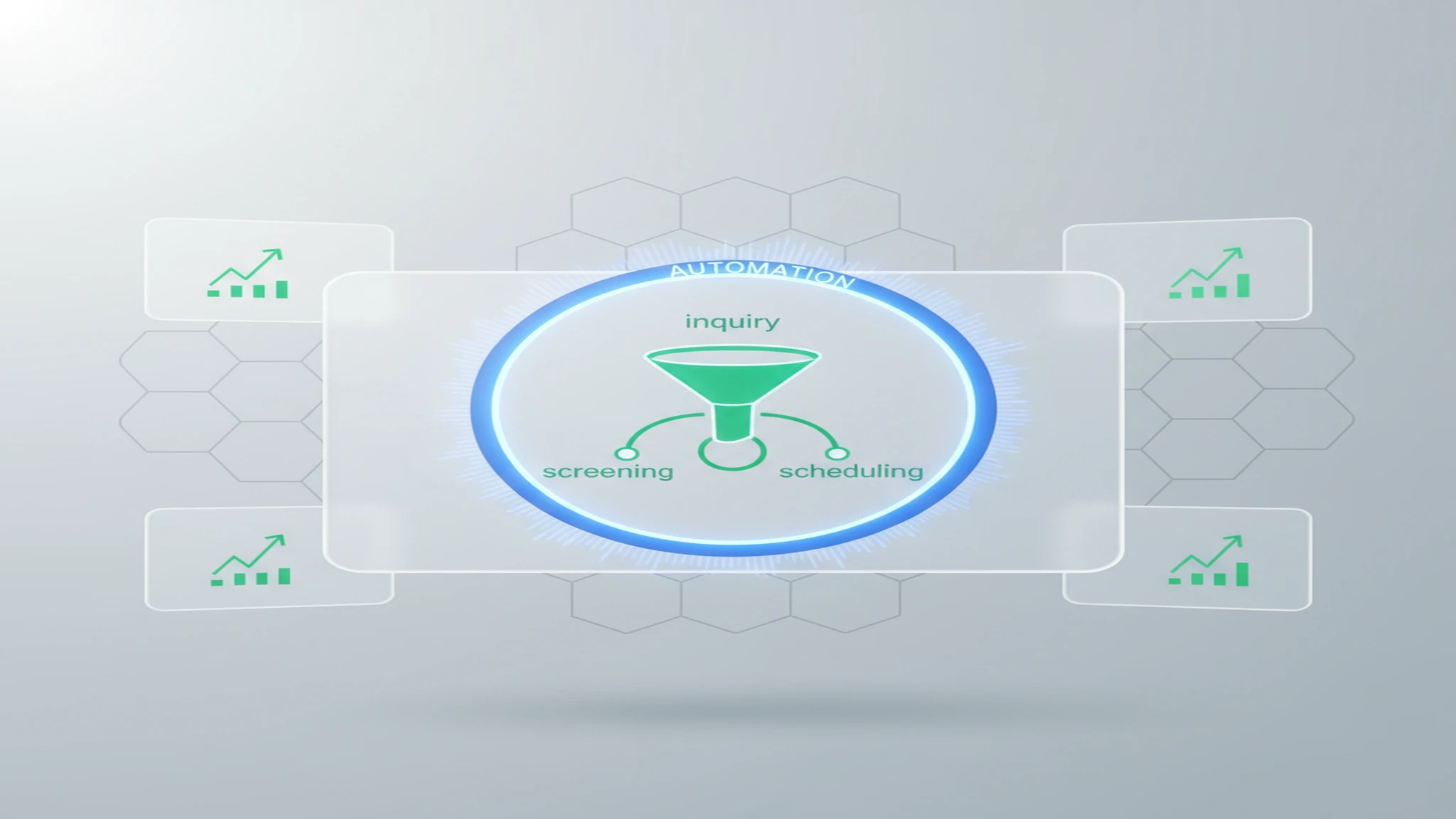
- What It Does: Core Capabilities
- Who It’s For
- Honest Limitations
- How It Compares to Traditional Approaches
- What to Look For When Evaluating Tools
- How Propilot Approaches This
- Frequently Asked Questions
The Problem It Solves
A listing goes live Friday afternoon. By Saturday morning there are 40 inquiries in your inbox. Half are spam. A quarter didn’t read the listing. A handful are genuinely qualified. Somewhere in that pile is the tenant you actually want — who, by Monday, has already signed somewhere else.
That’s not a time management problem. It’s a systems problem. And AI property management software is how landlords are starting to solve it.
The rental market has gotten more competitive and more complex at the same time. Tenant expectations for response speed have risen. The volume of inquiries from online listings has increased. Fair housing compliance has become more scrutinized. And independent landlords are squeezed between rising costs and the time demands of managing properties well.
Traditional property management software was built for a different era — one that assumed a dedicated staff person sitting at a desk, processing tasks during business hours. That model doesn’t fit how most independent landlords actually operate.
What AI Property Management Software Actually Is
AI property management software uses artificial intelligence — large language models, machine learning, and automation — to handle the repetitive, time-sensitive tasks that come with managing rental properties.
The core idea is straightforward: a lot of what landlords do every day is pattern-based. Responding to inquiries. Screening applicants against a fixed set of criteria. Triaging maintenance requests. Sending lease reminders. These tasks don’t require human judgment every single time — they require consistency, speed, and availability. AI handles all three better than any person working alone.
What separates AI property management software from traditional tools (spreadsheets, basic CRMs, legacy platforms like Buildium or AppFolio) is the shift from passive record-keeping to active decision-making. Traditional software stores information and helps you act on it. AI software acts on your behalf — and asks for your input only when it actually needs it.
Automation vs. AI: Why the Distinction Matters
These terms get used interchangeably, but they’re not the same thing — and the difference has real consequences for how useful the tool will be.
Automation follows fixed rules. If a tenant emails about a maintenance issue, automation might send an auto-reply: “We received your request.” That’s it. It doesn’t understand what the tenant said, doesn’t assess urgency, doesn’t route the request to the right person.
AI understands context. It can read that same email, determine the tenant is describing a burst pipe, flag it as an emergency, notify the appropriate contractor, and send the tenant a response that acknowledges their specific situation — all without you touching it.
The distinction matters because most landlords have tried “automation” in some form and found it clunky and impersonal. AI-powered tools feel different because they can actually parse language, adapt to context, and respond in ways that feel substantive.
What It Does: Core Capabilities
Capabilities vary by product, but the most impactful use cases fall into a few clear categories.
Tenant Communication and Lead Response
This is where AI delivers the most immediate value for most landlords.
When a prospective tenant sends an inquiry — through Zillow, Facebook Marketplace, Craigslist, or a direct listing — AI can respond within seconds, around the clock. Not with a canned template, but with a contextual reply that answers their specific question, provides relevant details about the property, and moves the conversation forward.
Speed matters enormously here. Response time is one of the biggest factors in whether a qualified lead converts. A prospect who reaches out at 9pm on a Sunday and gets a real, helpful reply immediately is far more likely to schedule a showing than one who waits until Monday morning. For landlords in competitive urban markets, the first to respond often wins the tenant.
Beyond the initial response, AI can handle the full conversation thread — answering follow-up questions, scheduling showings, sending reminders, and keeping leads warm without any manual effort from the landlord.
Applicant Screening
Screening is one of the most legally sensitive and time-consuming parts of landlording. AI property management software can automate a significant portion of this process while keeping you in control of the criteria.
Here’s how it typically works: you define your screening standards — minimum income requirements, credit thresholds, rental history preferences, pet policies, whatever your criteria are. The AI evaluates incoming applicants against those standards and surfaces only the ones who meet your baseline. You still make the final call, but you’re reviewing a shortlist instead of a raw pile of applications.
This matters for two reasons. First, it saves hours of manual work. Second, when criteria are applied consistently by a system rather than varying by circumstance, it reduces the risk of fair housing violations that can arise from inconsistent human judgment.
For landlords managing properties in BC, consistent screening is particularly important given the province’s human rights framework. Learn more in our guide on how to screen tenants smarter without the $15,000 mistake.
Maintenance Triage and Emergency Handling
Maintenance is the part of landlording nobody enjoys. Tenants don’t report issues at convenient times, urgency is often unclear, and coordinating with contractors is its own logistical headache.
AI can handle the intake side intelligently. When a tenant reports an issue, the AI assesses the nature and urgency based on what they describe, categorizes it (routine vs. urgent vs. emergency), and routes it appropriately. For genuine emergencies — flooding, gas leaks, heating failures in winter — it can escalate immediately and notify the right people without waiting for you to check your phone.
For routine requests, it logs the issue, confirms receipt with the tenant, and queues it for your review in a way that’s organized and actionable rather than buried in an inbox.
Lead Qualification and Daily Digests
Rather than forcing landlords to monitor every channel constantly, the best AI property management tools aggregate and prioritize. You get a daily summary of what happened: who inquired, who was pre-screened, what maintenance came in, what needs your attention.
This flips the dynamic. Instead of being reactive and constantly interrupted, you’re reviewing a curated briefing and making decisions on your schedule. The AI handles the real-time layer. You handle the judgment calls.
Listing Management Across Platforms
Managing listings across Zillow, Facebook, Craigslist, and other platforms manually is tedious and error-prone. AI tools can sync listings, track where inquiries are coming from, and centralize all communication in one place — so you’re not juggling five different inboxes and missing leads.
Who It’s For
The honest answer is that AI property management software isn’t for everyone equally. The value scales with how much time you’re currently losing to repetitive landlord tasks.
Independent Landlords with 3–20 Units
This is the sweet spot. If you own a handful of properties and manage them yourself, you’re probably spending more time on communication, screening, and coordination than you realize. You’re also likely not at a scale where hiring a property manager makes financial sense — their fees (typically 8–12% of monthly rent) eat significantly into your margins.
If you’re a Vancouver landlord managing 3–20 units, you know this problem directly. Enterprise software is built for management companies with dedicated staff. Basic tools barely move the needle. AI software fills exactly that gap.
Landlords Scaling Their Portfolio
If you’re actively acquiring more properties, the operational load grows faster than most people expect. Adding a third or fourth property doesn’t just add 25% more work — it often feels like it doubles the complexity. AI tools help you scale without proportionally scaling your time commitment.
DIY Landlords Who’ve Hit a Wall
A lot of landlords start out managing everything themselves and do fine — until they don’t. A vacancy that drags on, a flood of unqualified applicants, a maintenance emergency that spirals. If you’ve hit that wall, the hidden time cost of DIY landlording is real, and AI software is often a faster and cheaper fix than hiring help.
Who It’s Less Suited For
Large institutional property managers with dedicated staff and existing enterprise software stacks may find that AI property management tools overlap with systems they already have. The ROI calculation looks different at that scale.
Honest Limitations
Being direct about limitations matters, because the category is still maturing and some tools oversell what AI can actually do.
AI doesn’t replace judgment. It can screen applicants, but it can’t read between the lines of a reference call the way an experienced landlord can. It can triage maintenance, but it can’t inspect a property. The best implementations keep humans in the loop for decisions that actually require human judgment.
It requires good setup. The quality of AI outputs depends heavily on the inputs you give it. If your screening criteria are vague, the AI will make vague decisions. If your listing information is incomplete, the AI can’t answer tenant questions accurately. Garbage in, garbage out.
It won’t fix a bad listing or a bad property. If you’re getting low-quality leads, the problem might be your price point, your photos, or your location — not your response time. AI can help you process leads more efficiently, but it can’t manufacture demand.
Legal compliance is still your responsibility. Fair housing laws, local landlord-tenant regulations, disclosure requirements — AI can help you apply criteria consistently, but it doesn’t replace your obligation to understand and follow the law. In BC, that means the Residential Tenancy Act. Consult a qualified attorney for anything legally sensitive.
How It Compares to Traditional Approaches
| DIY Landlording | Traditional Property Manager | AI Property Management Software | |
|---|---|---|---|
| Annual cost | Low (your time) | $3,000–$5,000+/year | ~$350/year |
| Time required | 200+ hours/year | 10–20 hours/year | 15–25 hours/year |
| Control | Full | Limited | High |
| Response speed | Depends on you | Business hours | 24/7 |
| Screening consistency | Variable | Varies by manager | Consistent |
| Scalability | Limited | Good | Good |
| BC RTA compliance | Your responsibility | Usually handled | Built-in |
The traditional property manager model makes sense at certain scales and for certain landlords — particularly those who want to be completely hands-off. But for landlords who want to stay involved in their portfolio without being buried in it, the AI software model is increasingly compelling. See the full cost breakdown of Propilot vs. a property manager.
If you are comparing vendors now, start with the best AI property management software 2026 comparison and use the criteria below to pressure-test each platform.
What to Look For When Evaluating Tools
Not all tools in this category are equally capable. Here’s what to actually evaluate.
Real AI vs. Glorified Templates
Some tools market themselves as “AI-powered” but are really just template-based autoresponders with a chatbot skin. The tell is specificity: can the tool actually understand and respond to the specific content of a tenant’s message? Or does it send the same canned reply regardless of what was asked? Test this early. Send a nuanced inquiry and see what comes back.
Multi-Channel Integration
Your leads are coming from multiple places. A tool that only works with one listing platform is a partial solution. Look for tools that pull in inquiries from Zillow, Facebook Marketplace, Craigslist, and wherever else you list — and centralize everything in one place.
Customizable Screening Criteria
Every landlord has different standards. The tool should let you define your own criteria rather than forcing generic defaults. Income requirements, credit minimums, pet policies, lease length preferences — these should all be configurable.
Human-in-the-Loop Design
The best AI tools are built around the idea that you approve important decisions rather than being bypassed entirely. Look for tools that surface recommendations and let you confirm or override, rather than tools that act autonomously on everything.
Maintenance Handling
This is often an afterthought, but it matters. Can the tool actually triage maintenance requests intelligently? Does it distinguish between a tenant asking about a squeaky door and a tenant reporting a gas leak? Emergency handling is where the stakes are highest.
Transparency and Audit Trail
You should be able to see what the AI said to your tenants and applicants. If a tool doesn’t give you visibility into its communications, that’s a problem — both for quality control and for legal protection.
How Propilot Approaches This
Propilot is built specifically for independent landlords who want to stay in control of their properties without being consumed by the operational work.
At the center of the product is Nova, an AI agent that handles tenant inquiries 24/7, screens applicants against your custom criteria, and manages maintenance emergencies automatically. Nova connects to your listings on Zillow, Facebook, and Craigslist — so wherever your leads are coming from, they’re being handled.
The model is deliberate: Nova does the real-time work, and you review a daily digest of what happened. Pre-screened leads, flagged maintenance issues, conversations that need your input — all organized and prioritized so you can make decisions efficiently rather than reactively.
At ~$350/year, Propilot costs a fraction of what a traditional property manager charges while giving you the operational efficiency that most DIY landlords can’t sustain on their own. It’s the third option — between doing everything yourself and handing over control to someone else.
If you’re managing properties independently and spending more time on communication and coordination than you’d like, that’s exactly the gap Propilot is built for.
Start your free trial at propilot.tech
Related Reading
- AI Property Management in Canada: The 2026 Guide — broader look at how Canadian landlords are adopting AI tools
- 200 Hours/Year: The Hidden Time Cost of DIY Landlording — what self-managing actually costs you
- Bad Tenant = $15,000+ Problem: How to Screen Smarter — tenant screening done right
- Vancouver Landlords: You Have a Third Option — the full case for AI-powered property management
Frequently Asked Questions
Is AI property management software legal to use for screening?
Yes, with important caveats. AI tools can help you apply your screening criteria consistently, which is actually better from a fair housing compliance standpoint than inconsistent manual screening. The criteria themselves must comply with fair housing and human rights laws — AI doesn’t change what you’re allowed to screen for, it just helps you apply your standards consistently. Consult a real estate attorney if you’re uncertain about your criteria.
Will tenants know they’re talking to an AI?
It depends on the tool and how it’s configured. Some landlords are transparent about using AI; others present it as part of their leasing process without specifying the mechanism. What matters most is that the communication is accurate, helpful, and responsive — which AI can deliver regardless of disclosure approach.
How much does AI property management software cost?
Most tools operate on a monthly or annual subscription model. Propilot is priced at approximately $350/year. Compared to the 8–12% monthly fee of a traditional property manager, AI software is significantly cheaper for most independent landlords — even before accounting for the time savings.
Can AI handle lease renewals and rent collection?
Some tools do, some don’t. Most AI property management tools focus on the front end of the tenant lifecycle — lead response, screening, and onboarding. Lease management and rent collection are often handled by separate software. Know what you need before you start evaluating.
What happens when the AI makes a mistake?
It will, occasionally. No AI system is perfect. What matters is whether the tool is designed to catch and correct errors — through human review, audit trails, and the ability to override decisions. You want AI handling the volume and speed, with you maintaining visibility and control over what’s actually happening.
How long does setup take?
Most landlords are up and running within a day. The key upfront investment is configuring your screening criteria and giving the AI accurate information about your properties. Once that’s done, the ongoing time commitment drops significantly.
Related Tools & Resources
Sources and citations
- Rental Income and Expenses — Canada Revenue Agency
- Residential Tenancies — Government of BC