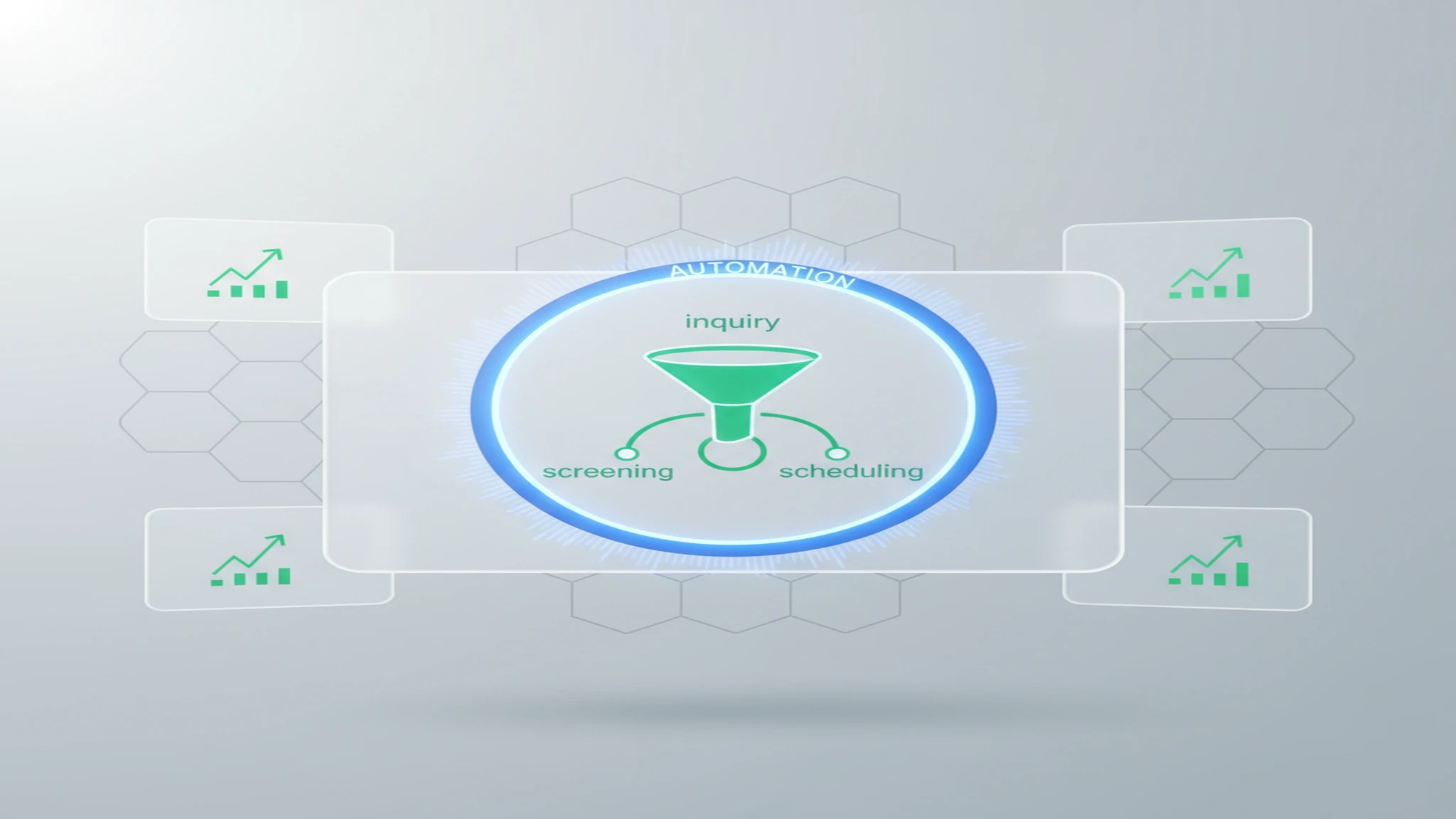
Best AI Property Management Software in 2026: Ranked and Reviewed
Ranked and reviewed: the top 8 AI property management software platforms in 2026. Find the right tool for your portfolio size, budget, and automation goals.
About the author
Amir Sojoudi · Co-founder, Propilot
Amir Sojoudi is the co-founder of Propilot. He builds AI-powered tools to help Canadian landlords automate leasing, screening, and compliance.
Best AI Property Management Software in 2025: Ranked and Reviewed
Updated for 2026: We’ve published a comprehensive best property management software Canada 2026 guide with current pricing, new platform comparisons, and AI automation coverage. This post covers the 2025 landscape.
Estimated reading time: 11 minutes
Key Takeaways
- AI property management software automates the tasks that drain landlords most: tenant inquiries, applicant screening, maintenance routing, and vacancy response
- The best platforms combine communication intelligence, decision automation, and predictive analytics — not just basic chatbots
- Propilot leads for independent landlords who want serious AI capability with full oversight retained
- EliseAI is the strongest choice for large multifamily portfolios; AppFolio AI for established companies adding AI to existing workflows
- Most landlords see positive ROI within 3 to 6 months when AI handles at least 20% of routine management tasks
Table of Contents
- What Makes AI Property Management Software Worth Using
- Top 8 AI Property Management Software Platforms in 2025
- Key Features to Evaluate
- Pricing Models and ROI Considerations
- Implementation Best Practices
- Common Challenges and Solutions
- Future Trends
- Making Your Decision
Property management has entered the AI era. What once required constant phone calls, manual screening, and endless back-and-forth with tenants can now happen automatically — through software that works around the clock. For the updated 2026 Canadian guide, see Best Property Management Software Canada 2026.
The numbers back it up: landlords using AI property management tools report 40 to 60% fewer missed inquiries, 30% faster tenant screening, and meaningful reductions in vacancy periods. But with dozens of AI-powered platforms launching every year, picking the right one is not simple.
This review covers the top AI property management software options in 2025, evaluating strengths, weaknesses, pricing, and ideal use cases for each. Whether you manage two rental units or two hundred, you will come away with a clearer picture of what fits your portfolio.
What Makes AI Property Management Software Worth Using?
Traditional property management software handles scheduling and accounting. AI property management software handles conversations, decisions, and complex workflows that used to require a person.
The best platforms excel in three areas:
Intelligent Communication: AI agents that respond to tenant inquiries instantly, handle maintenance requests, and conduct initial prospect screening through natural conversation — not scripted chatbot menus.
Automated Decision-Making: Systems that evaluate rental applications against your criteria, flag urgent maintenance issues, and prioritize leads by qualification likelihood without you reviewing every message.
Predictive Analytics: Tools that forecast maintenance needs, surface rent optimization opportunities, and identify tenant turnover risk before it becomes a vacancy problem.
The platforms that combine these capabilities without becoming a burden to use tend to deliver the strongest ROI. Understanding what AI property management software actually does — and what it does not — is the right starting point before evaluating specific tools.
Top 8 AI Property Management Software Platforms in 2025
1. Propilot — Best Overall AI Property Management Solution
What it does: Propilot gives landlords Nova, an AI agent that handles tenant communications, screens applicants, and manages maintenance emergencies 24/7. The platform connects directly with Zillow, Facebook Marketplace, and Craigslist listings, so leads flow in without extra setup.
Key AI features:
- 24/7 tenant inquiry responses with natural language processing
- Custom applicant screening based on landlord-defined criteria
- Automated maintenance emergency detection and routing
- Daily digest of pre-screened leads with approval workflows
Strengths:
- Seamless integration with major listing platforms
- Highly customizable screening criteria
- Strong emergency response automation
- Daily digest format keeps landlords informed without creating inbox overload
- Sits in a practical middle ground between DIY management and full-service property management
Weaknesses:
- Newer platform with a smaller user base than established players
- Fewer third-party integrations than more established competitors
Pricing: Contact for custom pricing based on portfolio size
Best for: Independent landlords and small property management companies who want serious AI capability without giving up control over their operations.
User feedback: Early adopters highlight Propilot’s balance of automation and human oversight — particularly the daily digest, which keeps decision-making manageable rather than overwhelming.
2. EliseAI — Best for Large Portfolio Management
What it does: EliseAI focuses on conversational AI for multifamily properties, handling leasing inquiries to maintenance requests across text, email, and voice channels.
Key AI features:
- Multi-channel conversation management (SMS, email, voice, web chat)
- Advanced natural language understanding for complex tenant requests
- Automated tour scheduling and follow-up sequences
- Integration with major property management systems
Strengths:
- Proven track record with large multifamily operators
- Sophisticated conversation flows
- Strong analytics and reporting
- Extensive integration ecosystem
Weaknesses:
- Built primarily for larger operations; smaller landlords often find it over-engineered
- Can feel complex for independent landlords managing fewer than 50 units
- Higher price point
Pricing: Enterprise pricing starting around $2 to $4 per unit per month
Best for: Multifamily property management companies with 50+ units that need enterprise-grade conversation management.
3. RentSpree AI — Best for Tenant Screening
What it does: RentSpree combines rental marketplace features with AI-powered tenant screening and application processing.
Key AI features:
- Automated credit and background check analysis
- AI-driven application scoring and ranking
- Predictive tenant quality assessments
- Automated reference verification
Strengths:
- Strong marketplace presence drives organic leads
- Sophisticated screening algorithms
- User-friendly for both landlords and tenants
- Good mobile experience
Weaknesses:
- Limited ongoing property management features
- More focused on leasing than long-term management
- AI features still catching up to specialized platforms
Pricing: Free basic plan; premium features start at $5/month per property
Best for: Landlords who prioritize finding and vetting quality tenants over ongoing management automation.
4. Leasey — Best for Communication Automation
What it does: Leasey specializes in AI-powered tenant communication, handling routine inquiries and maintenance requests while escalating complex issues to property managers.
Key AI features:
- Intelligent message routing and prioritization
- Automated maintenance request categorization
- Tenant satisfaction prediction and early intervention
- Multi-language support for diverse tenant bases
Strengths:
- Excellent natural language processing
- Strong maintenance workflow automation
- Good tenant satisfaction tracking
- Reasonable pricing for smaller portfolios
Weaknesses:
- Limited marketing and lead generation features
- Requires separate accounting and management systems
- Narrower feature set than all-in-one platforms
Pricing: $15 to $30 per unit per month depending on features
Best for: Property managers who want to automate tenant communications while keeping their existing systems for everything else.
5. Zego.ai — Best for Maintenance Management
What it does: Zego.ai applies AI specifically to maintenance operations, predicting issues before they escalate and optimizing repair workflows.
Key AI features:
- Predictive maintenance alerts based on property data
- Automated vendor matching and scheduling
- Smart work order prioritization
- Cost optimization recommendations
Strengths:
- Deep maintenance focus creates genuinely superior functionality in this area
- Strong vendor network integration
- Solid predictive capabilities
- Good ROI tracking for maintenance decisions
Weaknesses:
- Limited features outside of maintenance
- Requires separate solutions for leasing and tenant communication
- Higher setup learning curve
Pricing: $25 to $50 per unit per month
Best for: Landlords with older properties or high maintenance volumes who want to get ahead of costly repairs.
6. AppFolio AI — Best Enterprise Integration
What it does: AppFolio has woven AI features throughout its comprehensive property management platform, adding intelligent insights across all management functions.
Key AI features:
- AI-powered rent pricing recommendations
- Automated lease renewal predictions
- Smart maintenance scheduling
- Tenant risk assessment tools
Strengths:
- Comprehensive platform with AI layered in rather than bolted on
- Strong financial management and reporting
- Established user base and support infrastructure
- Good integration with accounting and legal systems
Weaknesses:
- AI features feel supplementary rather than central to the experience
- Higher cost and complexity than most independent landlords need
- Minimum portfolio requirements exclude small operators
Pricing: $250+ per month for small portfolios; enterprise pricing for larger operations
Best for: Established property management companies looking to add AI capabilities to proven traditional workflows.
7. Rentals.com AI Assistant — Best Budget Option
What it does: Rentals.com has added AI-powered features to its rental listing platform, focusing on lead qualification and basic tenant communication.
Key AI features:
- Automated lead scoring and qualification
- Basic chatbot for common tenant questions
- Smart listing optimization suggestions
- Simple maintenance request routing
Strengths:
- Very affordable entry point
- Easy to set up and use
- Good starting point for landlords new to AI
- Integrated with a popular listing platform
Weaknesses:
- Less sophisticated than specialized platforms
- Basic feature set with limited customization
- Not built for complex or growing management needs
Pricing: $10 to $20 per month for AI features
Best for: New landlords or those managing just a few properties who want to test AI without a major financial commitment.
8. Knock CRM AI — Best for Sales-Focused Operations
What it does: Knock applies AI to the leasing and sales process, optimizing lead conversion and tenant acquisition workflows.
Key AI features:
- Predictive lead scoring and prioritization
- Automated follow-up sequences
- Conversation intelligence for leasing calls
- Market analysis and pricing optimization
Strengths:
- Strong focus on conversion optimization
- Good analytics and performance tracking
- Effective automated nurturing campaigns
- Integrates well with marketing tools
Weaknesses:
- Limited post-lease management features
- Most useful during active leasing periods; quieter months provide less value
- Requires separate systems for ongoing property management
Pricing: $50 to $100 per month depending on portfolio size
Best for: Property management companies with high tenant turnover who need to sharpen their leasing and sales processes.
Key Features to Evaluate in AI Property Management Software
Communication Intelligence
Look for systems that handle complex tenant requests, understand context and urgency, and maintain conversation history across channels — not just basic chatbot responses that require tenants to navigate menus.
What to test: Send the AI a range of inquiries — maintenance emergencies, lease questions, payment issues, general property questions. Evaluate response quality, speed, and accuracy across all of them.
Screening and Decision Automation
Good AI reduces your decision-making burden without removing your control. The best platforms let you define detailed criteria and then evaluate prospects against them automatically, surfacing summaries rather than dumping raw data on you.
What to evaluate: Look at customization options for screening criteria, the quality of applicant summaries, and how easily you can approve or adjust AI recommendations. Platforms like Propilot let you define your own screening rules so the AI applies your judgment at scale.
Integration Capabilities
AI property management software should fit into your existing workflows, not force you to rebuild them. Strong integration with listing platforms, accounting software, and communication tools matters more than feature count alone.
What to check: Verify compatibility with your current tools. Test data synchronization and workflow automation between systems before committing to a full rollout.
Learning and Adaptation
The most valuable AI systems improve over time by learning from your preferences and decisions. Platforms that adapt to your management style become more useful the longer you use them — a compounding return on the initial setup investment.
What to assess: Ask about machine learning capabilities, how the system incorporates your feedback, and whether recommendations sharpen with use.
Pricing Models and ROI Considerations
AI property management software typically falls into one of three pricing structures:
Per-Unit Pricing: The most common model, ranging from $5 to $50 per unit per month depending on features and sophistication.
Flat-Rate Pricing: Some platforms charge a monthly fee regardless of portfolio size, usually $50 to $500 per month.
Usage-Based Pricing: A newer model where you pay based on AI interactions, conversations handled, or decisions automated.
Calculating ROI
When evaluating ROI, focus on these four areas:
- Time savings: Hours saved on tenant communication, application screening, and maintenance coordination. For most independent landlords, this alone justifies the cost.
- Vacancy reduction: Faster response times and better screening shorten vacancy periods — a significant lever when average Vancouver rents run $2,500 to $3,500/month.
- Maintenance optimization: Predictive maintenance and better vendor management reduce emergency repair costs and extend asset life.
- Tenant retention: Better communication and faster issue resolution lead to more lease renewals — the most underrated metric in property management economics.
Most landlords see positive ROI within 3 to 6 months when the software handles at least 20% of routine management tasks.
For a detailed cost comparison between AI software, full-service property managers, and DIY, see Propilot vs. Property Managers: The Vancouver Math.
Implementation Best Practices
Start with Clear Goals
Before choosing a platform, define what you actually want AI to handle. Common priorities include:
- Reducing response time to tenant inquiries
- Improving applicant screening quality
- Automating routine maintenance requests
- Optimizing rent pricing and vacancy periods
Starting with clear goals prevents scope creep and makes it much easier to evaluate whether a platform is actually delivering value.
Plan Your Integration Strategy
Successful AI implementation requires thoughtful setup, not just a quick install:
- Audit current workflows to identify where automation adds the most value
- Set up proper data connections between the AI platform and your existing tools
- Train the AI with your specific criteria and preferences during the setup phase
- Monitor and adjust AI decisions during the first few months before reducing oversight
Maintain Human Oversight
The best AI property management setups automate routine tasks while keeping humans in control of important decisions. Set clear escalation rules for situations that need a real person: lease negotiations, disputes, evictions, and anything involving potential legal exposure.
Common Implementation Challenges and Solutions
Tenant resistance to AI: Introduce automation gradually and keep options open for human contact. Most tenants adapt quickly when AI delivers faster, more consistent service than the manual process it replaced.
Over-automation: Start with basic automation and expand from there. Keep human oversight for complex decisions, lease negotiations, and sensitive situations. Automating too much too fast creates new problems while solving old ones.
Integration complexity: Choose platforms with strong integration support and plan a gradual rollout rather than switching everything at once. A phased approach also lets you measure impact clearly.
AI learning curve: Invest time in initial setup and training. Most platforms offer onboarding support, and the upfront effort pays off quickly through improved accuracy and fewer edge-case failures.
Future Trends in AI Property Management
Predictive analytics: AI systems are getting better at forecasting tenant behavior, maintenance needs, and market trends — helping landlords make proactive decisions rather than reactive ones.
Voice and IoT integration: Smart home integration will allow AI platforms to automatically detect and respond to maintenance issues, security concerns, and energy optimization opportunities without waiting for tenant reports.
Regulatory compliance automation: AI will increasingly handle fair housing compliance, lease verification, and local regulation adherence. For BC landlords, this means automatic alignment with BC RTA requirements without manual review.
Enhanced personalization: Future systems will adapt communication styles and service approaches to individual landlord and tenant preferences, making interactions feel less automated even when they are.
How Propilot Fits Into This Picture
For independent landlords managing 3 to 20 units — the segment most underserved by both enterprise software and traditional property managers — Propilot delivers the AI capability that was previously only accessible to large operators.
Nova, Propilot’s AI agent, responds to tenant inquiries around the clock, screens applicants against your criteria, and flags maintenance emergencies the moment they’re reported. The daily digest format means you stay informed without being pulled into every conversation. You retain full decision-making authority; the AI does the legwork.
For BC landlords specifically, Propilot is built around BC RTA compliance requirements, so the screening and communication workflows align with what the Residential Tenancy Act actually permits.
Start your free trial at propilot.tech to see what AI-powered management looks like in practice.
Related Reading
- What Is AI Property Management Software? A Complete Guide — how AI tools actually work and what they automate
- Propilot vs Avail: AI-Powered vs Traditional Landlord Software — side-by-side feature and automation comparison
- Propilot vs TurboTenant: Which Property Management Tool Is Right? — comparing two popular tools for independent landlords
- Propilot vs AppFolio: AI-Native vs Legacy Platform — how modern AI design stacks up against an established enterprise platform
- Propilot vs Buildium: Which Software Scales Better? — for landlords choosing between growth-focused platforms
- Propilot vs. Property Managers: The Vancouver Math — full cost breakdown of AI software vs. full-service management
Frequently Asked Questions
What is the best AI property management software in 2025?
Propilot ranks as the best overall AI property management software for independent landlords and small portfolio operators, based on its combination of 24/7 AI communication, customizable screening, and practical oversight tools. For large multifamily portfolios, EliseAI offers enterprise-grade features. For budget-conscious landlords just starting with AI, Rentals.com AI Assistant provides an accessible entry point.
How much does AI property management software cost?
Pricing varies widely by platform and portfolio size. Per-unit pricing typically ranges from $5 to $50 per unit per month. Flat-rate platforms run $50 to $500 per month. Usage-based pricing is emerging as a third model. For most independent landlords, the ROI from time savings and vacancy reduction far exceeds the monthly cost within the first few months.
Can AI property management software replace a property manager?
AI property management software automates many tasks that property managers handle — tenant communication, screening, maintenance routing, and lead qualification — at a fraction of the cost. For landlords who want to stay involved in decisions, AI software is a strong alternative. For landlords who want to be completely hands-off, a hybrid approach (AI software plus occasional human support) often makes more sense than full-service management.
Is AI property management software legal to use in BC?
Yes. AI property management software is legal in British Columbia. Platforms like Propilot are designed to comply with the BC Residential Tenancy Act, including requirements around tenant screening, privacy, and communication. Landlords should verify that any screening criteria used align with BC Human Rights Code requirements, which prohibit discrimination based on protected characteristics.
How long does it take to set up AI property management software?
Most platforms can be configured in a few hours for basic setup. More sophisticated configurations — custom screening criteria, integration with listing platforms, maintenance routing rules — typically take a few days of work upfront. The initial investment in setup generally pays off within the first month through reduced manual workload.
What features should I look for in AI property management software?
Prioritize: 24/7 communication handling, customizable screening criteria, maintenance request triage, integration with listing platforms you already use, and a clear audit trail of AI decisions. Secondary features like predictive analytics and portfolio reporting become more valuable as your portfolio grows.
Related Tools & Resources
Sources and citations
- Residential Tenancies in British Columbia — Government of BC
- Rental Income — Canada Revenue Agency — Canada Revenue Agency