Understanding Your Analytics Dashboard: A Complete Guide
Learn how to make the most of your analytics dashboard with this comprehensive guide covering key metrics, visualization techniques, and actionable insights.
Understanding Your Analytics Dashboard: A Complete Guide
In today’s data-driven world, understanding your analytics dashboard is crucial for making informed business decisions. This guide will walk you through everything you need to know about interpreting and utilizing your analytics data effectively.
Key Metrics to Track
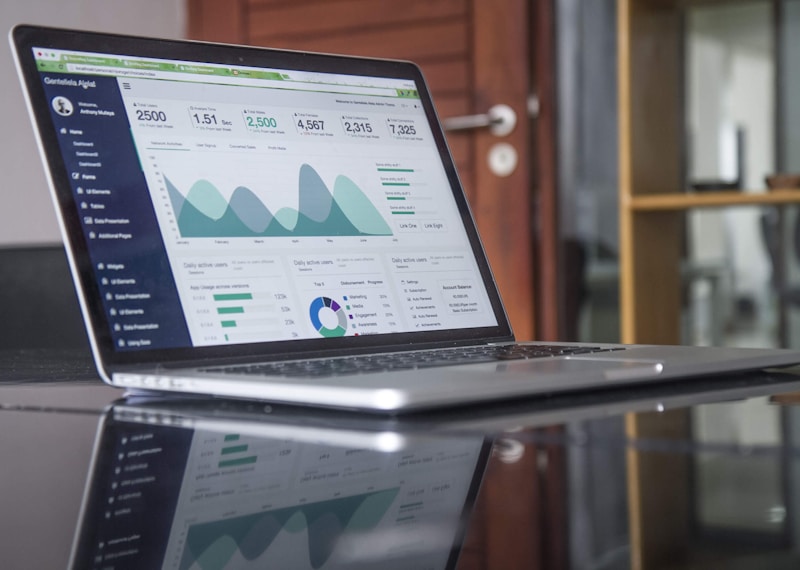
When you first open your analytics dashboard, you might feel overwhelmed by the sheer amount of data available. Here are the most important metrics you should focus on:
User Engagement Metrics
- Active Users: Track daily, weekly, and monthly active users to understand your platform’s growth trajectory
- Session Duration: Longer sessions typically indicate higher engagement and content quality
- Bounce Rate: A high bounce rate might signal issues with your landing pages or user experience
Performance Indicators
Understanding how your product performs is essential for continuous improvement:
- Conversion Rate: The percentage of users completing desired actions
- Retention Rate: How many users return after their first visit
- Churn Rate: The rate at which customers stop using your service
Visualization Best Practices
Data visualization is an art and a science. Here’s how to make your dashboards more effective:
- Use consistent color schemes across all charts
- Choose the right chart type for your data (line charts for trends, bar charts for comparisons)
- Keep it simple - avoid cluttering your dashboard with too many widgets
Making Data-Driven Decisions
The real power of analytics comes from turning data into action. Here’s how to do it:
- Identify Trends: Look for patterns in your data over time
- Set Benchmarks: Compare your metrics against industry standards
- Test Hypotheses: Use A/B testing to validate your assumptions
- Iterate Quickly: Make small, incremental changes based on data insights
Advanced Analytics Techniques
Once you’ve mastered the basics, consider these advanced techniques:
Cohort Analysis
Group users by shared characteristics to understand behavior patterns across different segments.
Funnel Analysis
Visualize the user journey to identify where potential customers drop off in your conversion process.
Predictive Analytics
Use historical data to forecast future trends and prepare for upcoming challenges.
Conclusion
Mastering your analytics dashboard takes time and practice, but the insights you gain will be invaluable for growing your business. Start with the basics, focus on metrics that matter to your specific goals, and continuously refine your approach based on what you learn.
Remember, data is only as valuable as the actions you take based on it. Use your analytics dashboard as a compass to guide your decision-making process, not just as a report card of past performance.